

The world of pet ownership is incredibly diverse, and for some, the appeal of a scaly, silent, and fascinating companion is undeniable. Snakes offer a unique alternative to traditional pets, with their elegant movements, mesmerizing patterns, and a calm demeanor that appeals to many. But beneath their quiet exterior lies a commitment to specialized care and a unique set of needs that any prospective owner must understand fully before making a purchase.
Thinking of bringing a snake home is an exciting step, but it’s one that requires careful research and responsible planning. This guide will walk you through the essential considerations, ensuring you’re fully prepared to provide a safe, healthy, and happy life for your new reptile friend.
The First Step: Understanding Your Commitment
Before you even begin to research species, it’s vital to understand the long-term commitment that snake ownership entails. Snakes can live for a surprisingly long time—some common species live for 20 years or more. This means you are committing to a companion for decades.
Beyond time, there is a financial commitment. You will need to invest in a proper enclosure, a reliable heating and lighting system, a consistent food supply, and occasional veterinary care. Being honest with yourself about your ability to provide this long-term care is the most crucial first step in responsible ownership.
Choosing Your Companion: Beginner-Friendly Species
Not all snakes are created equal when it comes to pet ownership. Some are more docile, have more manageable sizes, and require simpler care, making them perfect for beginners.
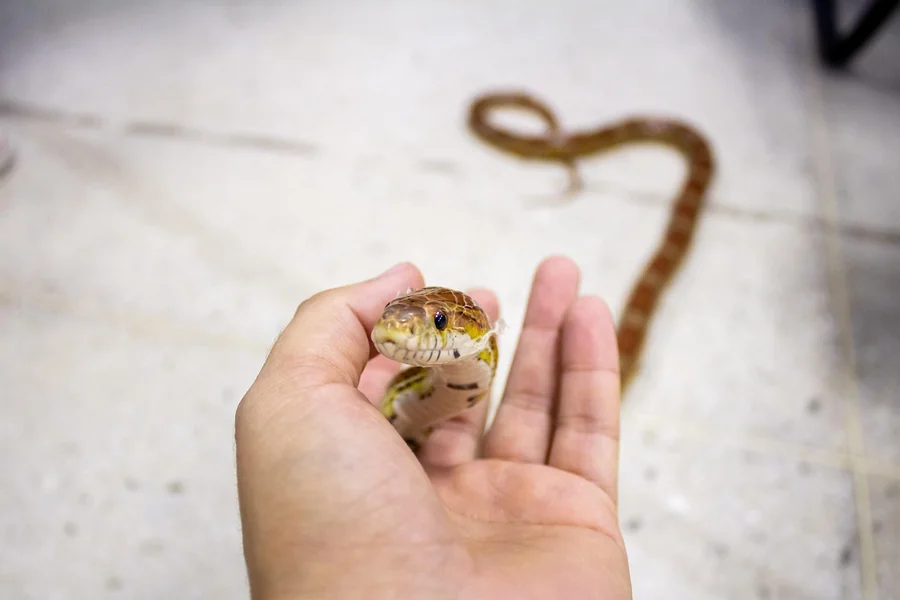
- Corn Snakes: Known for their docile temperament, manageable size (typically 4-5 feet), and beautiful color patterns. They are very active and great for new handlers.
- Ball Pythons: A favorite among owners for their calm, gentle nature and a tendency to curl into a ball when feeling shy or stressed. They stay relatively small (3-5 feet).
- King Snakes: Active and hardy, they are known for their impressive appetites and are excellent feeders. Their manageable size and ease of care make them a solid choice.
Researching a species’ adult size, temperament, and specific care needs is key to choosing a companion you can comfortably house and handle for their entire life.
Creating the Perfect Home: Essential Habitat Requirements
A snake’s enclosure is its entire world, and creating the right habitat is non-negotiable for its health and well-being. A proper terrarium must provide everything your snake needs to thrive, including:
- Heating: Snakes are cold-blooded and require a temperature gradient in their enclosure—a warm side and a cool side—to regulate their body temperature. This is typically achieved with a heat lamp, a heat mat, or ceramic heat emitters.
- Humidity: The right humidity is crucial for shedding and respiratory health. A hygrometer will help you monitor levels, which can be adjusted with a water bowl, substrate choice, or a misting system.
- Hides: Snakes need a secure, dark place to hide and feel safe. Providing at least two hides (one on the warm side, one on the cool side) is essential for their security and comfort.
- Substrate: A suitable substrate (bedding) is needed for hygiene and humidity.
These elements are not optional. Getting the habitat setup right before you bring your snake home is critical.
Feeding and Handling: The Key to a Healthy Bond
A common aspect of snake care that can be intimidating for beginners is feeding. Most pet snakes eat rodents (mice, rats) or other appropriately sized prey. The most common and recommended method is feeding pre-killed, frozen prey, as it is safer for the snake than live prey.
Handling is also key. Consistent, gentle handling from a young age helps a snake become comfortable with human interaction. Always support the snake’s body, be confident, and avoid sudden movements. Over time, this builds a strong bond and a calm temperament, making handling a relaxed and rewarding experience.
Finding a Healthy Snake: The Importance of Reputable Sources
The source of your snake is just as important as the species you choose. Reputable breeders or specialized reptile expos are often the best places to buy a snake, as they prioritize genetics, health, and proper care from birth. For a wide selection of species and expert advice, exploring reputable sources for snakes for sale is a crucial step in the purchasing process.
For instance, you can find a diverse collection of healthy animals from respected breeders, such as those you can find by exploring options with Snakes at Sunset. When you’re ready to look, here are some signs of a healthy snake to watch for:
- Clear, bright eyes.
- No signs of retained skin from a bad shed.
- A strong, active posture.
- No visible mites or parasites.
- A healthy curiosity and responsiveness to handling.
Avoiding sellers who keep animals in poor conditions is a must, as it can lead to long-term health issues for your pet.
Conclusion: A Rewarding and Unique Partnership
Owning a snake is a unique and deeply rewarding experience. They are low-maintenance pets in terms of space and feeding frequency, and they can provide years of quiet companionship. By understanding the long-term commitment, choosing a beginner-friendly species, setting up a proper habitat, and sourcing a healthy animal from a reputable breeder, you lay the groundwork for a successful partnership. Take the time to do your research, and you’ll find that a scaly companion can be a loyal and fascinating addition to your life for many years to come.
